

Hawaiian woods, from Oʻahu trees.
Eight woods Kaleb turns into bowls and blanks, all from Oʻahu trees that were coming down anyway.
The eight on the rack.
Choose one to see how it looks, how it turns and what it’s good for.
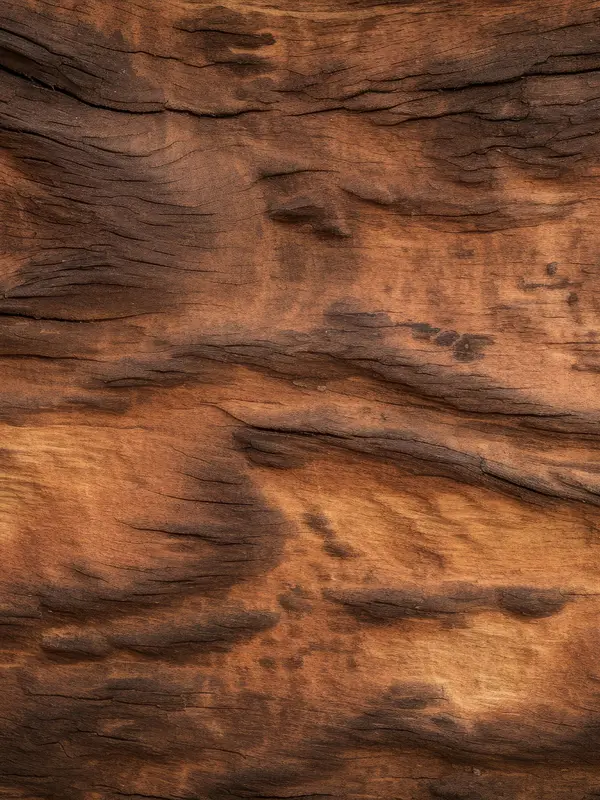
Monkeypod
Samanea saman
Chocolate heart, pale edge. The wood Hawaiʻi’s bowl trade was built on.
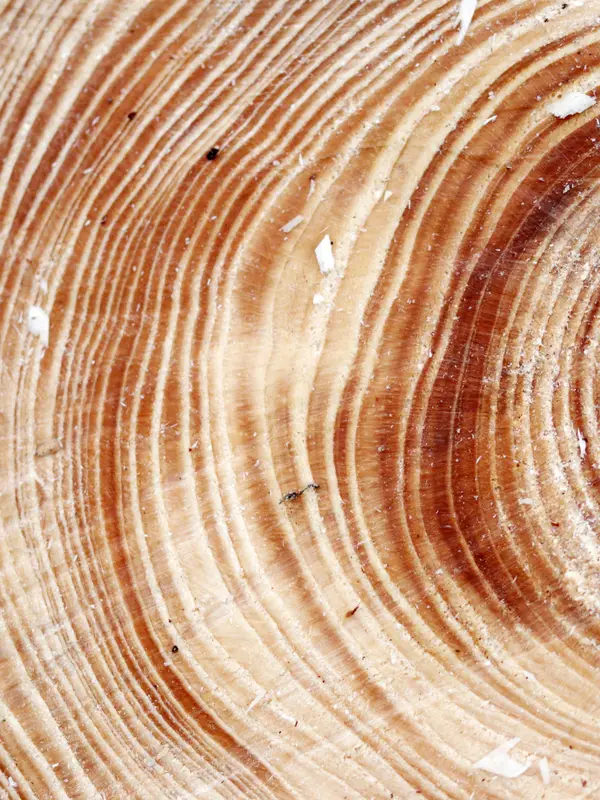
Norfolk Island pine
Araucaria heterophylla
Pale, soft and knotty. Turned thin, it lets the light through.
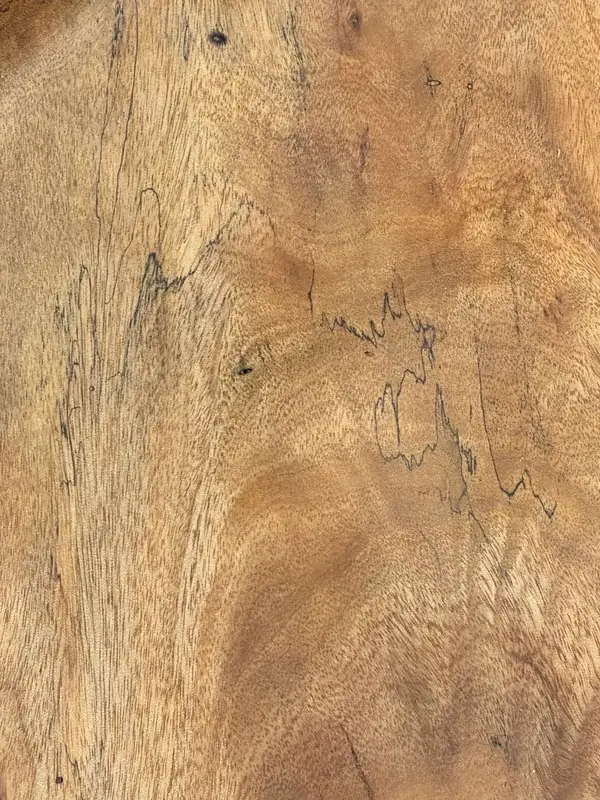
Mango
Mangifera indica
Golden, often streaked and spalted. The yard tree of the wet valleys.
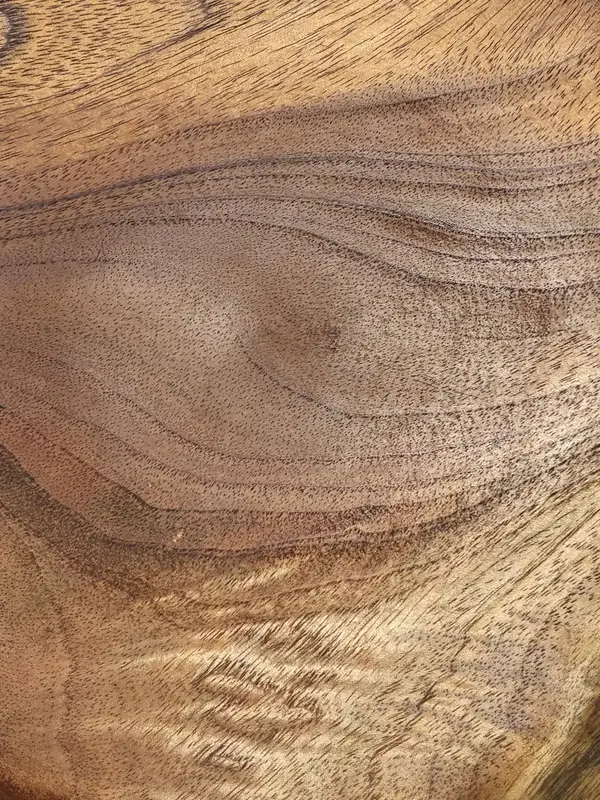
Toon
Toona ciliata
Red-brown and light in the hand. Australian red cedar, here since 1918.
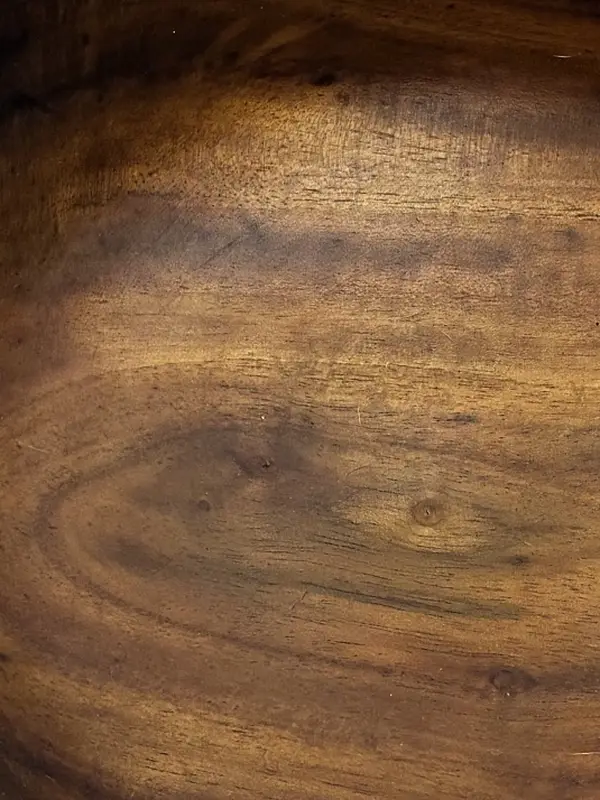
Milo
Thespesia populnea
Dark heart, cream edge. A food-bowl wood of old Hawaiʻi.
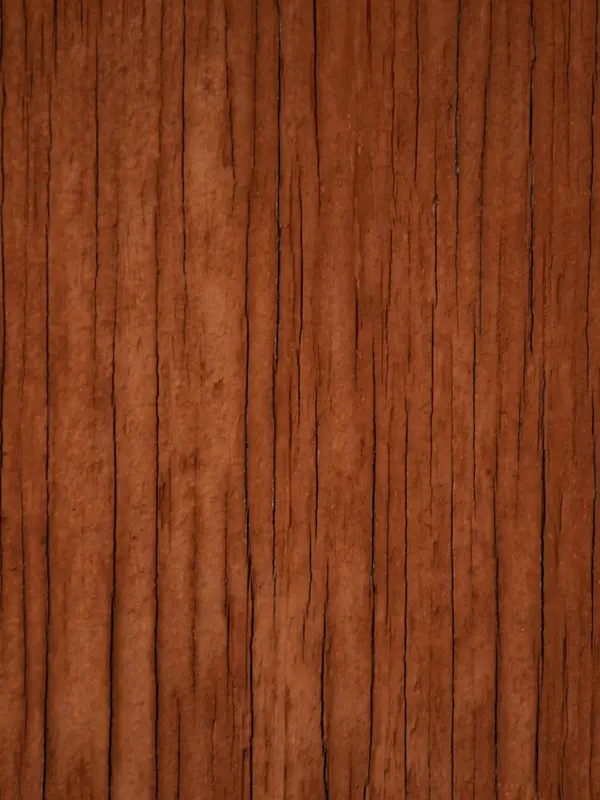
Kamani
Calophyllum inophyllum
Red and white when cut, reddish brown with age. A calabash wood.
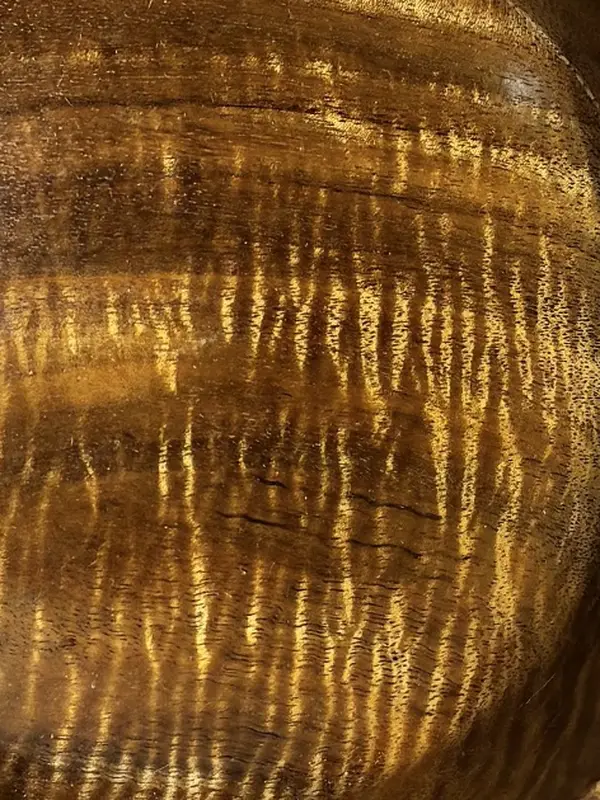
Koa
Acacia koa
Hawaiʻi’s own. Golden to red brown, with a shimmer, and only now and then.
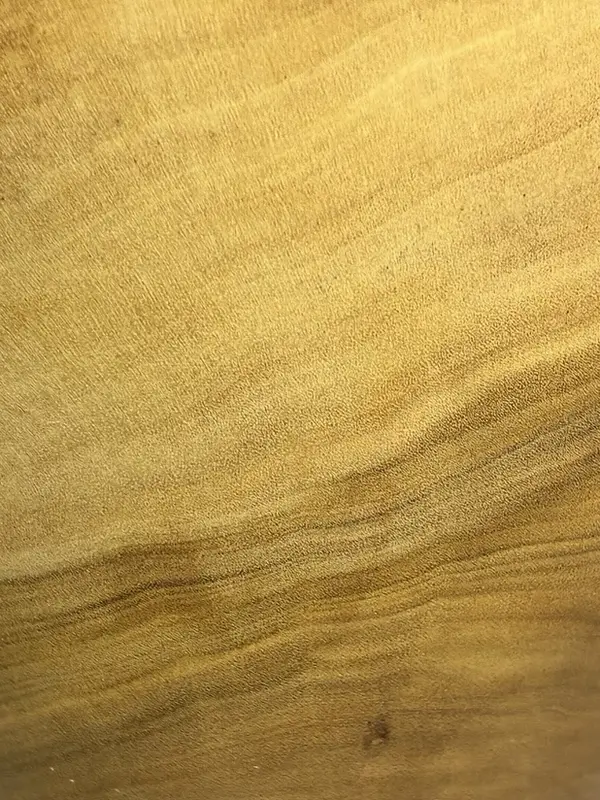
Naio
Myoporum sandwicense
Hard and fine-grained. A native wood once passed off as sandalwood.
Why these eight.
Every one of these trees grows on Oʻahu. Mango, monkeypod and Norfolk Island pine arrived after Western contact and became the island’s yard, street and ridge trees, and toon came from Australia in 1918 for forest plantations. Milo and kamani are counted among the canoe plants the Polynesian voyagers carried. Koa and naio grow nowhere but Hawaiʻi.
None of the wood is imported and none of it is cut down for a bowl. Kaleb is an arborist, so most of it comes from trees he was called to trim or take down: a monkeypod too heavy over a road, a mango too big for its yard, a Norfolk Island pine too close to a house.
That also means the rack changes. What’s on it depends on what came down, and some woods, koa, kamani and naio especially, come through only now and then.
Choosing one? For a salad bowl, monkeypod, the classic Hawaiian salad bowl wood, or milo, a calabash wood of old Hawaiʻi. For color, mango, streaked and often spalted. For a bowl that glows with the light behind it, Norfolk Island pine, turned thin. For a platter light in the hand, toon, red-brown and sometimes rippled. Koa, kamani and naio are the rare ones: take them when they come.
Turn one yourself.
Pick your wood from the rack on a class day, with Kaleb beside you for every cut.