

Tree trimming & removal in Kāneʻohe.
Kaleb trims, prunes and takes trees down. He turns wood too, so a tree that comes down can become bowls.
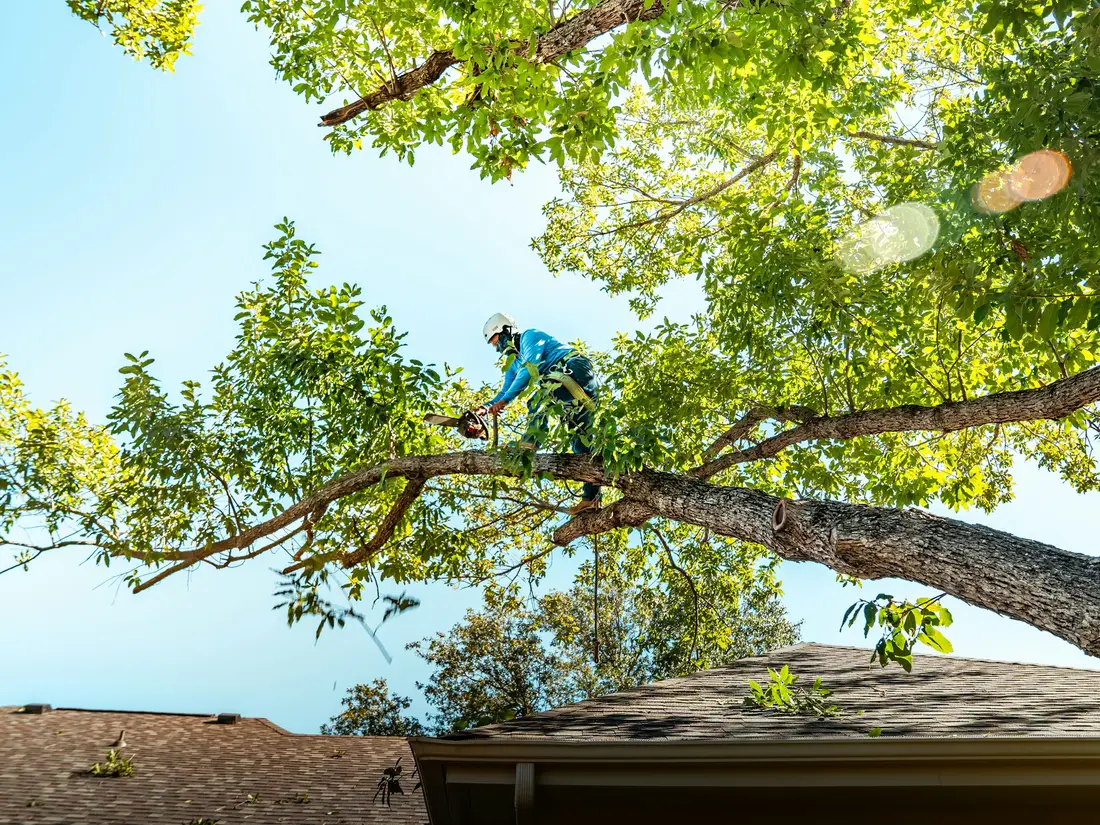
From the crown to the stump.
Dead and crossing branches out, a crown thinned so the wind blows through, limbs lifted off the roof.
Coconuts and dead fronds cut down before they fall on a roof, a car or somebody underneath.
When a tree has to go (too close to the house, sick or split by a storm), Kaleb takes it down and cuts the trunk to lengths a lathe can use.
The stump can go too, so the ground is ready to plant, build on or mow over.
Branches, fronds and green waste leave with Kaleb, and the yard is clear when he goes.
Fallen in the wind or cut by someone else? Kaleb collects the sections worth turning and hauls off the rest.
How a job goes.
Tell Kaleb about the tree
What kind it is, where it stands and what you’d like done. Photos help.
He comes to look
Kaleb looks the tree over and tells you what it needs, what it will cost and when he can do it.
The work
Kaleb does it on the day you agree and hauls the green waste away.
The wood
The trunk goes to his shop instead of the chipper. Want bowls from it? Say so, and some of your tree comes back to you.
The arborist & the turner are the same person.
Most tree crews chip the trunk and most turners buy their wood. Kaleb does both jobs, so a tree that has to come down can come back to you as bowls.
The one everyone climbed, that finally has to come out. A bowl for each of the kids.
A monkeypod that went over in the last big wind. A set of bowls instead of the green-waste pile.
A tree planted for someone, or the one they sat under. It gets handled gently, and you decide what it becomes.
Building on the land? The trees can become something before the excavator arrives.
Tell Kaleb about your tree.
Send what you know. He’ll come back with questions or a time to come and look. There’s no charge for the visit.
Questions about tree work.
Do you trim trees, or only take them down?
Both, and coconut palms and stumps too. Trimming and pruning keep a tree healthy and its limbs off the roof; taking a tree down is for when it has to go. Tell Kaleb what you’re after and he’ll tell you what the tree needs.
Do you trim coconut trees?
Yes. Kaleb trims coconut and other palms, taking the coconuts and dead fronds down before they fall on a roof, a car or somebody underneath.
How much does tree trimming or removal cost?
It depends on the tree: how big it is, where it stands, what’s under it and how the wood gets out. Kaleb quotes after he has seen it, and there’s no charge to come and look.
Where do you work?
Kaleb is based in Kāneʻohe, on the windward side of Oʻahu. Tell him where the tree is and he’ll say whether he can get to it.
Do you take the stump and haul everything away?
Yes to both. The stump can go when the tree comes down, and the branches, fronds and green waste leave with Kaleb, so the yard is clear when he’s done.
What happens to the wood?
The good part of the trunk goes to Kaleb’s shop instead of the chipper, to dry and become bowls and turning blanks. If you’d like some of it back as bowls, say so when you get in touch.
What can I do with wood from a fallen tree?
Keep the trunk and the big limbs whole if you can, out of the sun, with the cut ends covered. A piece over about a foot across is worth a look: Kaleb can turn it into bowls, or tell you what else it’s good for.
How long do bowls from my own tree take?
A bowl turned once from green wood can be ready in weeks, though it moves out of round as it dries; a bowl turned twice, rough and then final, takes the better part of a year. Kaleb tells you which suits your wood.
Can a bowl go to family on the mainland?
Yes. Finished wood can be mailed to the mainland after the USDA agricultural inspection that all wood leaving Hawaiʻi needs.