

Hawaiian bowl blanks from Oʻahu trees.
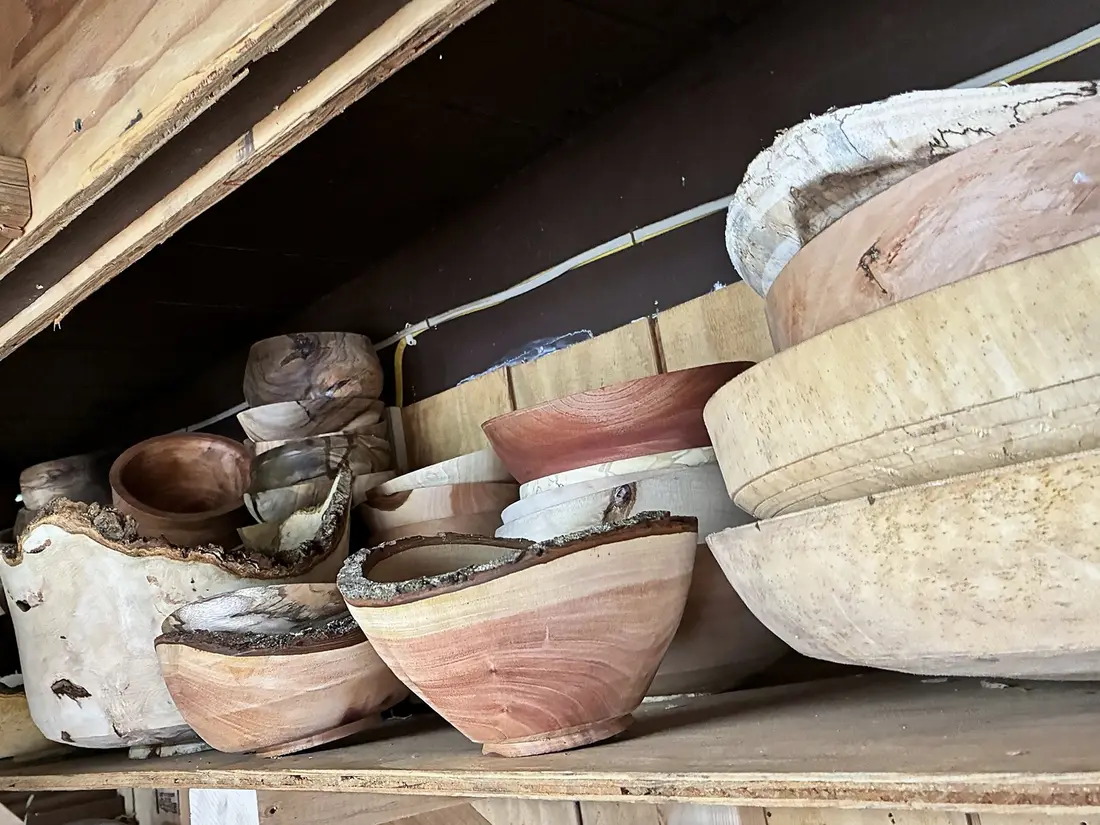
Bowl, spindle and pen blanks from Oʻahu trees, many taken down by Kaleb himself, sealed and ready to turn.
The woods on the rack.
What’s on the rack depends on what came down lately. These are the woods Kaleb works with, and each one’s page says how it turns.
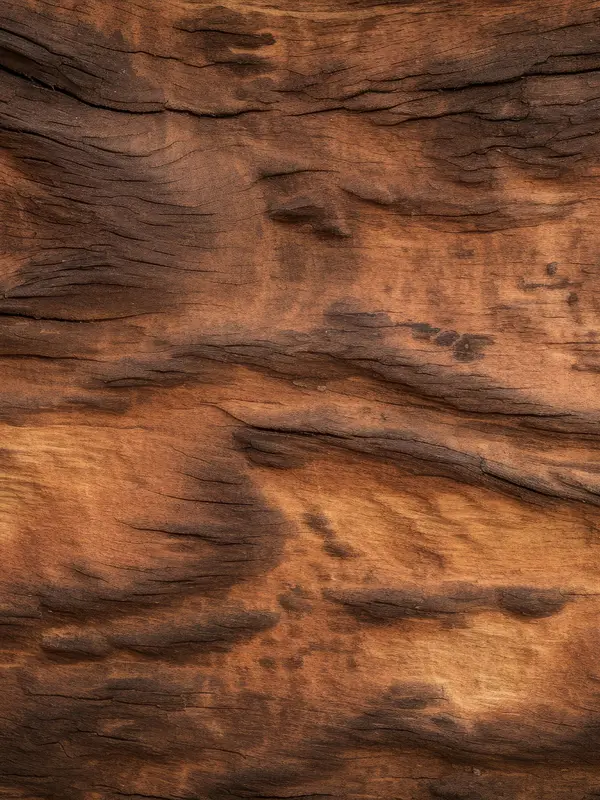
Monkeypod
Dark chocolate heartwood with a pale rim and wild figure. Turns very well green and moves little as it dries.
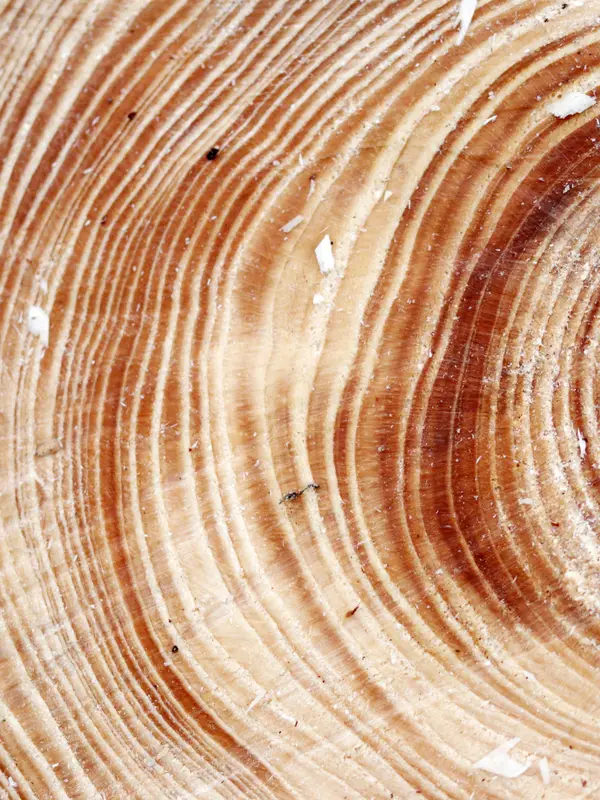
Norfolk Island pine
Straw to light brown, with red knots and blue-gray stain. Soft and clean-cutting, so it turns thin. The pitch is in the bark.
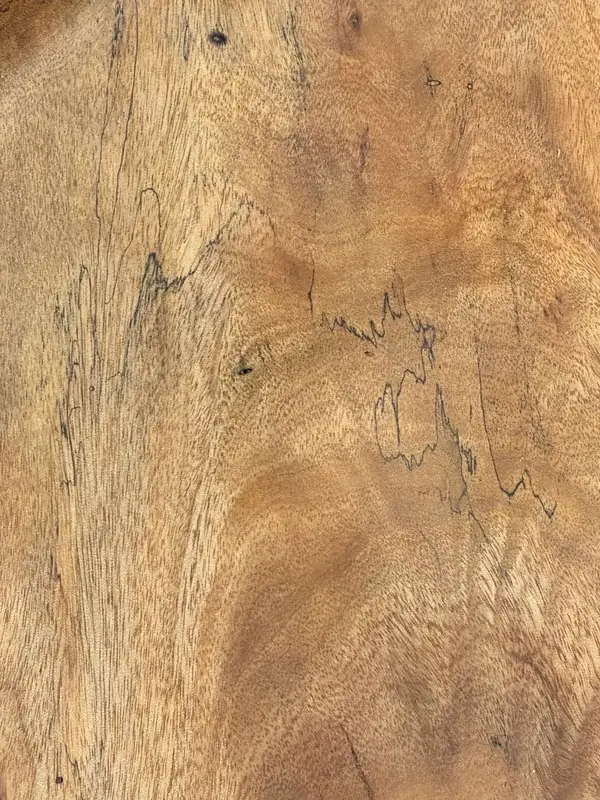
Mango
Golden, with curly figure and often spalting. It seasons well and holds its shape, but the silica dulls your edges.
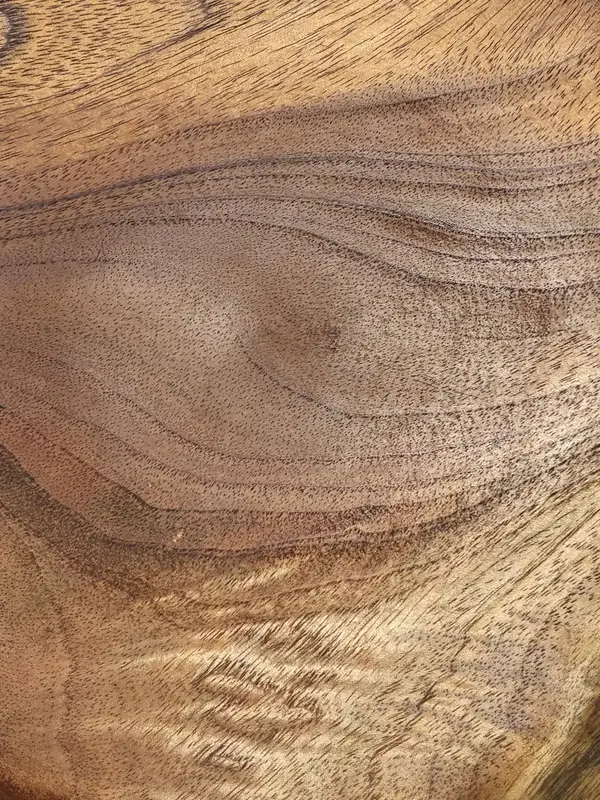
Toon
Soft, light and strongly scented, with red-brown heartwood. It finishes smooth from sharp tools, though turning can leave it a little woolly. The dust can irritate the nose and throat.
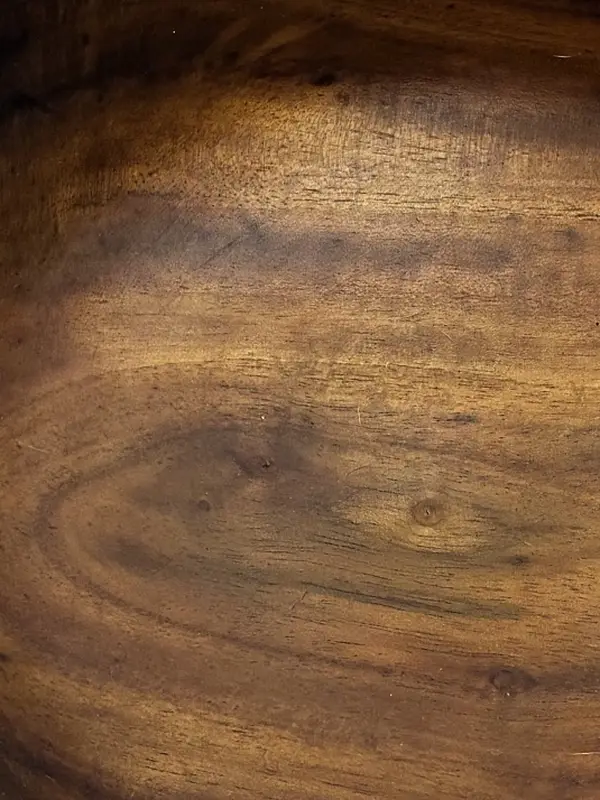
Milo
Pale pink heartwood that cures to chocolate or near black, with cream sapwood. Turn it green and dry it slowly. Its oil can slow a varnish.
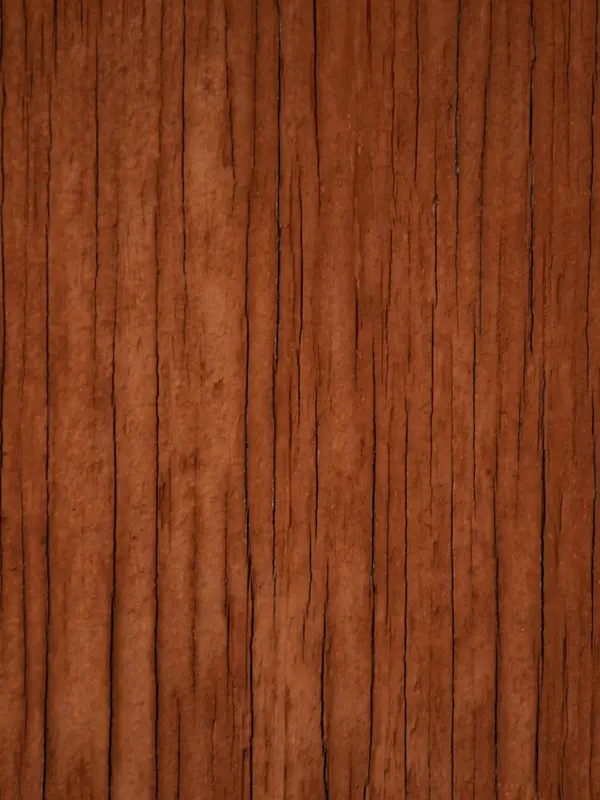
Kamani
Red-and-white heartwood that ages to reddish brown, with interlocked figure. It shrinks and warps as it dries, and it can snag a chisel.
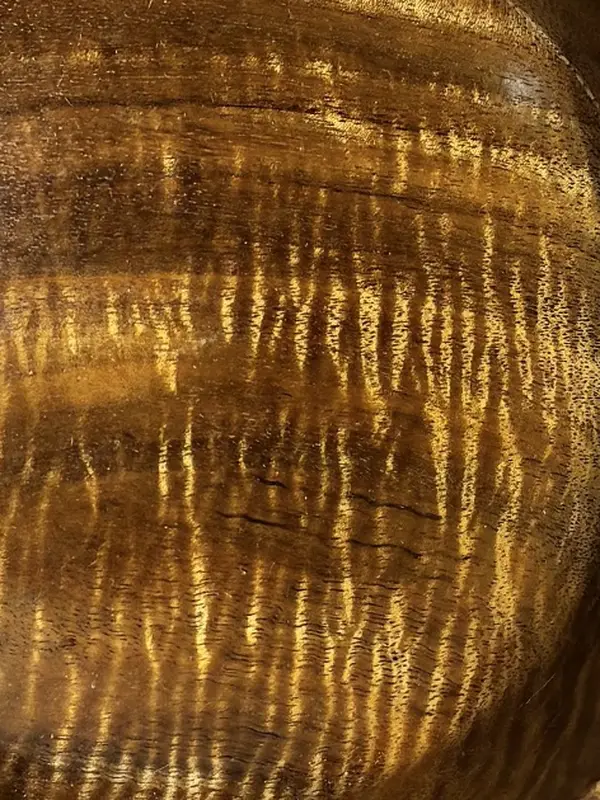
Koa
Golden to reddish brown, with curl and chatoyance. It’s stable. Turn it green, with sharp tools and fresh sandpaper.
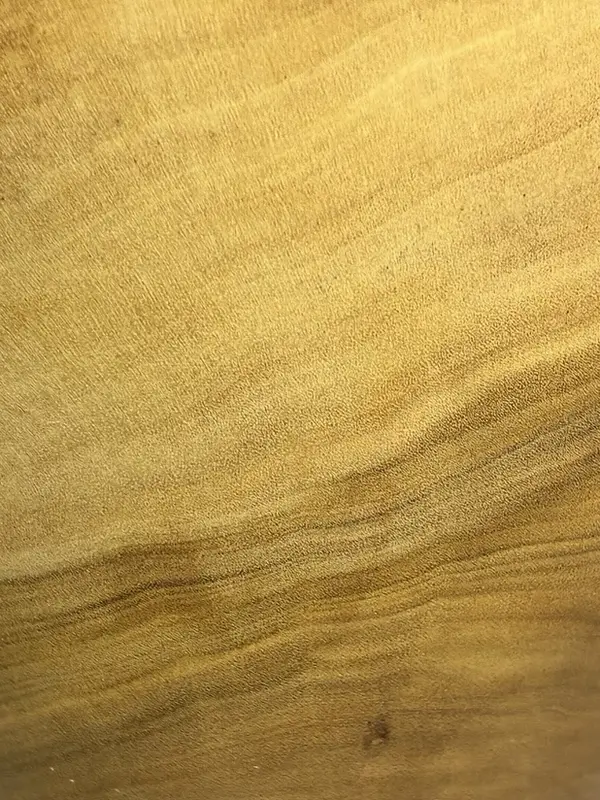
Naio
Hard, fine-textured and moderately heavy, with pale sapwood and dark yellowish brown heartwood figured by its growth rings. Not the steadiest wood as it dries, but it holds up well once it has.
How the wood comes.
Rounds and rough-turned blanks, end-sealed, green or dried. Tell Kaleb the diameter and thickness you’re after and he cuts to it where the log allows.
Fresh off the log and waxed, for turners who rough out wet and dry their own. Monkeypod, koa and milo all turn well green.
Smaller, squared and dry, for pens, handles, boxes and tops.
Only when a trunk is worth it. Ask and Kaleb will tell you when one lands.
By species and size. The list changes as trees come in, so ask for the current one.
Wood mailed from Hawaiʻi has to pass a USDA agricultural inspection first, so dried, bark-off, sealed blanks ship best and green or bark-on wood is better picked up in Kāneʻohe. Ask for a quote before you pay.
Ask for blanks cut to fit a USPS flat-rate box. The Large box takes a bowl blank about 11½ inches across and 5 thick, and costs the same to anywhere in the US.
Ask for the blank list.
Say what you’re after. Kaleb replies with what’s on the rack, sizes and prices, usually within a day or two.
What turners ask.
Are the blanks green or dried?
Both, depending on what’s on the rack. Green blanks are fresh and end-sealed, for turning wet or roughing out; dried ones have seasoned on the rack. Say which you want.
Which woods spalt?
Mango most of all: spalting gives it the dark lines and color it’s known for. Norfolk Island pine picks up blue-gray stain in Hawaiʻi’s humid air soon after it’s cut.
Which woods turn best green?
Monkeypod turns very well green and moves little as it dries. Milo is best cut into bowls green and dried slowly, and bowl turners like koa green too.
Is koa available?
Now and then, when a koa tree comes down on the island. It goes fast, so ask to be told when some lands. Under Hawaiʻi law only Acacia koa may be sold as koa.
Any safety notes on these woods?
Wear a mask: all fine wood dust is hazardous over time. Mango is in the cashew family and can irritate skin, milo dust sensitizes some people over years, and monkeypod dust can irritate the eyes.
Do you ship blanks off the island?
Yes, with a quote first. Wood mailed from Hawaiʻi to the mainland has to pass a USDA agricultural inspection before it goes, so dried, bark-off, sealed blanks ship best; green or bark-on wood is better picked up. Outside the US, your country’s import rules decide.
Never turned green wood?
Try it on Kaleb’s lathes first, with him beside you for every cut.